

News from The Open University
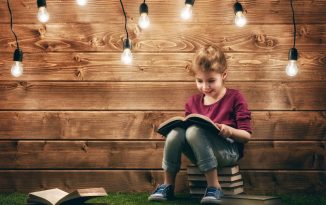
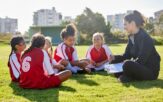
On World Book Day find out how the OU’s Reading Schools Programme is helping more children to read for pleasure
Today is World Book Day and as children around the world excitedly mark the occasion by dressing up as their favourite literary character, or join in with special events at…


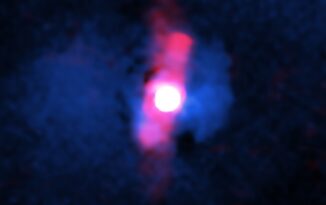
Students use NASA telescope to identify an underachieving black hole
An international team of students, including a PhD student from The Open University (OU) have revealed that a brilliant supermassive black hole is not living up to expectations in a…

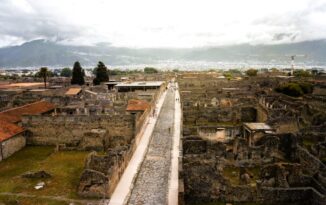
The buried secrets of Pompeii reveal new truths in OU/BBC programme
Two experts from The Open University help to demystify the latest findings of an archaeological excavation in volcano-hit Pompeii that features in this OU/BBC co-production. The three-part series, Pompeii: The…



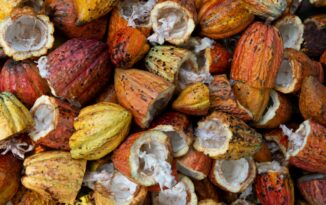
The latest Chocolate Scorecard highlights urgent need for industry change
The Open University (OU) is proud to be part of the 5th Edition of the Chocolate Scorecard that grades chocolate companies on their sustainability and ethics. The annual initiative is…


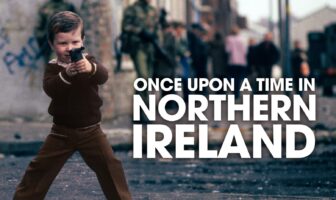
Open University and BBC co-production nominated for a TV BAFTA award
The Open University/BBC award-winning documentary “Once Upon a Time in Northern Ireland” has been nominated…

Scores of disadvantaged students to benefit from free Open University study worth £2.2m
The Open University continues to offer scholarships to people who face barriers to accessing Higher…