News from The Open University

On World Book Day find out how the OU’s Reading Schools Programme is helping more children to read for pleasure
Today is World Book Day and as children around the world excitedly mark the occasion by dressing up as their favourite literary character, or join in with special events at…


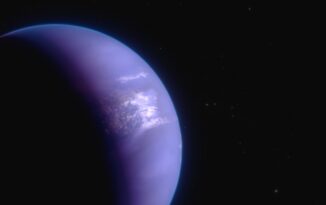
Researchers use NASA’s Webb to map weather on planet 280 light-years away
An international team of researchers, including The Open University’s (OU) Joanna Barstow, have successfully used NASA’s JWST to map the weather on the hot gas-giant exoplanet WASP-43 b. Precise brightness…
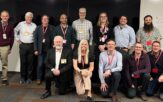


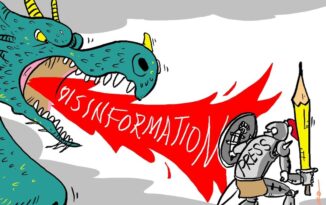
Cartoonists to get on board with conveying global challenges
Political cartoonists have been depicting global problems for centuries making make us laugh out loud, provoke action or leave us reeling in shock. Now a group of academics from The…

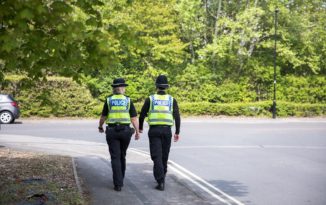
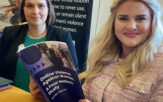
The Open University, Manchester Metropolitan University, and Greater Manchester Police unite to launch perinatal mental health toolkit
A toolkit has been designed to enhance support for maternal mental health in the workplace as a result of a research study conducted by The Open University (OU), Manchester Metropolitan…


Professor Dame Nicola Dandridge to lead post-employment tribunal review
Professor Dame Nicola Dandridge has been appointed to lead an independent review at The Open…

Secrets, spies, and the nuclear war that was avoided
This latest Open University/BBC co production is something you might find from the pages of…